Paid Advertising for Small Businesses: What to Fix Before You Spend More
Paid ads can reach more people, but they do not create profitable growth on their own. Here is how to decide whether your audience, offer, landing page and follow-up are ready before you spend more.
Written by Leonardo “Leo” Sanchez
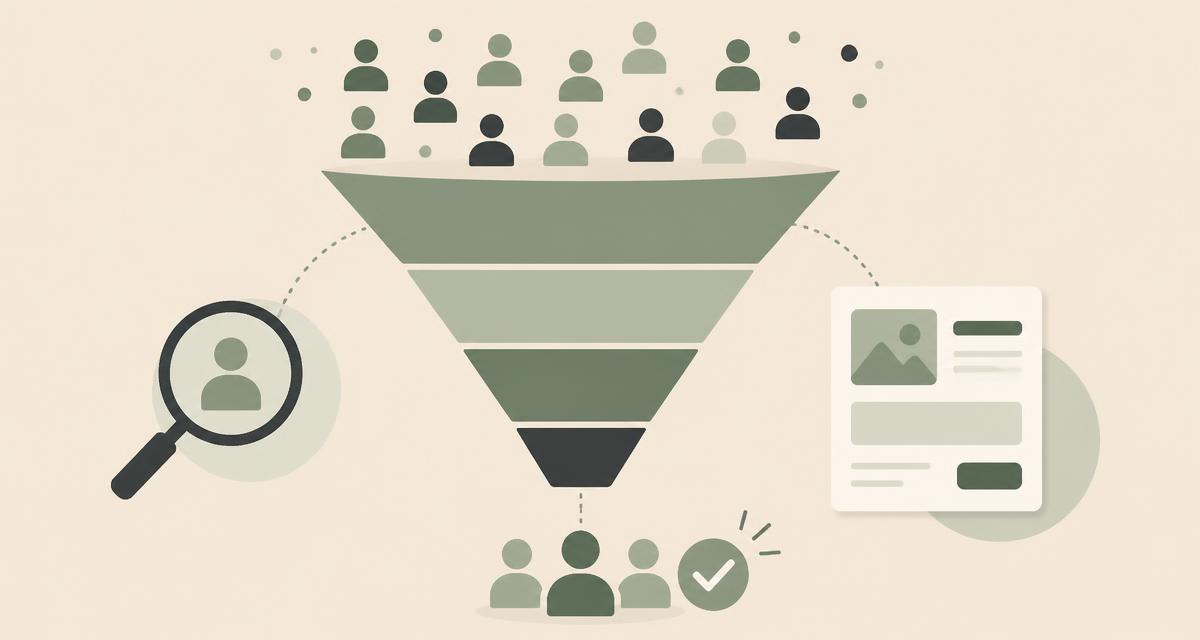
Paid advertising can help a small business reach more people, generate inquiries and promote a specific offer.
But paid ads do not automatically create profitable growth.
A campaign may generate clicks, followers or leads without producing the right customers. In many cases, the problem is not simply the advertisement. It may be the audience, message, offer, website, follow-up process or customer experience behind it.
Before increasing an advertising budget, a business should understand what the campaign is supposed to accomplish and whether the rest of the customer journey is ready to support it.
What Is Paid Advertising?
Paid advertising means paying a platform for visibility instead of earning it through organic search, referrals or content. Ads work best on top of that earned foundation, which is why it helps to understand how organic marketing works for a small business before increasing spend. Common paid options include:
- Google Search
- Google Display
- YouTube
- TikTok
- Local media or sponsored placements
Each platform serves different audiences and different goals, and none of them is the right answer for every business.
The right advertising channel depends on where the customer spends time, what they are searching for, how quickly they make decisions and what action the business wants them to take.
What Paid Advertising Can Help With
Used well, paid ads may help a business:
- Increase awareness
- Reach a defined audience
- Promote a seasonal offer
- Generate inquiries
- Test messaging
- Retarget previous website visitors
- Support a product or service launch
- Drive traffic to a useful landing page
- Accelerate an existing marketing strategy
Notice what is missing from that list: paid advertising does not create a clear offer or a working customer journey. It amplifies whatever already exists. That is why I treat it as the paid advertising pillar of the Parthenon of Marketing rather than the foundation of the whole structure. It also explains why a warm, engaged audience makes paid ads perform better.
Why Paid Ads Often Underperform
When a campaign disappoints, the cause is usually somewhere in this list:
- The wrong audience is being targeted
- The offer is unclear
- The advertisement focuses on the business instead of the customer
- The landing page does not match the ad
- The business has weak reviews or trust signals
- The lead form asks for too much information
- The business responds too slowly
- The campaign is measured only by clicks or impressions
- The budget is too small for the goal
- The business changes the campaign too often before learning anything
- The service area or location targeting is incorrect
- The business is generating leads but not converting them
More leads are not useful when they are outside the service area, cannot afford the service, need something the business does not provide or were never likely to become customers.
Before adding budget, it is worth stepping back to make sure you are solving the right marketing problem.
Start With the Advertising Goal
A campaign should have one clear purpose. For example:
- Generate five qualified estimate requests
- Promote a seasonal service
- Increase bookings for a specific offer
- Reach local customers within a defined service area
- Drive registrations for an event
- Reconnect with previous website visitors
- Test whether one message performs better than another
Goals such as “get more exposure” or “go viral” are difficult to manage and almost impossible to measure. They also make it hard to decide whether the campaign should continue.
Know Who You Are Trying to Reach
The audience should be defined before the campaign is built. That means understanding:
- Location
- Service area
- Customer type
- Problem or need
- Budget
- Timing
- Buying behavior
- Search intent
- Decision-making process
Targeting should not be based only on broad demographics. The business also needs to understand why the customer needs the service and what would make them take action now.
Build an Offer That Is Easy to Understand
A useful ad makes five things clear:
- What is being offered
- Who it is for
- What problem it solves
- Why the business is credible
- What action the customer should take next
A quick comparison
Weak: “We provide high-quality landscaping services.”
Stronger: “Need help keeping your yard maintained this season? Request a local lawn-care estimate from a team serving [service area].”
The stronger version is not necessarily perfect. It is simply more specific about the need, the audience and the next step, which gives the campaign something to work with.
Make Sure the Landing Page Matches the Ad
Sending every ad to the homepage creates confusion. The visitor clicked on one specific idea, and the page should continue that idea.
A useful landing page usually includes:
- The same message and offer used in the ad
- A clear headline
- Relevant service information
- Trust signals
- Reviews or proof when available
- A clear service area
- A simple form or call to action
- Mobile-friendly design
- Fast loading
- A clear explanation of what happens next
The customer should not need to search through the website to find the offer they just clicked.
Lead Quality Matters More Than Lead Volume
A campaign that produces 50 weak leads may be less valuable than one that produces 10 strong opportunities.
A qualified lead may include factors such as:
- The person is within the service area
- They need a service the business actually provides
- Their budget is realistic
- Their timing matches availability
- They are able to make or influence the decision
- They have shown genuine intent
Decide what a qualified lead means before the campaign starts. That definition is what lets you judge whether advertising is producing useful opportunities rather than only form submissions.
Follow-Up Can Make or Break the Campaign
Advertising does not end when a lead arrives. The business should have a clear process for:
- Responding quickly
- Confirming the inquiry
- Asking qualifying questions
- Scheduling the next step
- Following up when there is no response
- Recording the lead source
- Tracking whether the lead became a customer
A business may believe the advertising failed when the real problem is slow or inconsistent follow-up.
What Should You Measure?
The right metrics depend on the campaign goal. Useful measures may include:
- Qualified leads
- Cost per qualified lead
- Bookings
- Estimate requests
- Sales
- Conversion rate
- Revenue generated
- Follow-up time
- Service-area fit
- Lead-to-customer rate
- Repeat business
- Return on advertising spend, where it can be calculated accurately
Clicks, views and impressions can provide context, but they do not prove that the campaign created business value.
Start Small and Learn
Avoid committing a large budget before testing. A more controlled approach:
- Choose one offer
- Choose one audience
- Use one primary call to action
- Start with a manageable budget
- Let the campaign gather enough data
- Review lead quality
- Adjust one major variable at a time
- Improve the landing page or follow-up when needed
- Expand only after learning what works
There is no universal minimum budget worth quoting here, because costs vary by industry, market and platform.
Questions to Answer Before Running Paid Ads
- What is the business goal?
- Who is the specific audience?
- What problem is the customer trying to solve?
- What is the offer?
- Why should the customer trust the business?
- Where will the ad send them?
- What action should they take?
- Who will follow up?
- How quickly will the business respond?
- What defines a qualified lead?
- How will the campaign be measured?
- What will the business change if results are weak?
If several of these answers are unclear, the business likely needs stronger strategy before additional ad spend. If you are considering outside help with that, it is worth knowing how to choose a marketing consultant for your small business.
Final Thoughts
Paid advertising can be useful, but it works best when the strategy underneath it is clear.
The strongest campaigns connect the right audience, message, offer, landing page, trust signals and follow-up process.
Before spending more, look beyond the advertisement itself. Ask whether the campaign is reaching the right people, whether the offer is easy to understand and whether the business is prepared to convert interest into customers.
Paid ads should support a working customer journey. They should not be expected to create one from nothing.
Next Step
Not sure whether your business is ready for paid advertising? Use the free Marketing Clarity Assessment to review your audience, message, visibility, website and follow-up before increasing your budget.
Take the Free Marketing Clarity Assessment
Read Before You Spend More on Marketing · Explore Services · Browse all free resources · Contact Leonardo
Frequently Asked Questions
Do paid ads work for small businesses?
They can, but results depend on the audience, offer, message, platform, landing page, follow-up process and budget. Paid advertising is not guaranteed to produce profitable customers.
Should a small business use Google Ads or Facebook Ads?
The right platform depends on customer behavior and campaign goals. Google Ads may be useful when people are actively searching for a service, while social platforms may help with awareness, targeting and retargeting.
Why are my paid ads getting clicks but no leads?
Possible causes include weak targeting, an unclear offer, a poor landing page, low trust, technical problems or a confusing call to action.
Why am I getting leads that are not qualified?
The targeting, message, service area, offer or lead form may not be specific enough. The business should define what a qualified lead means and use that definition when reviewing campaign performance.
How much should a small business spend on paid ads?
There is no universal amount. The budget depends on the market, competition, platform, service value and campaign objective. Start with a controlled test and evaluate lead quality before increasing spend.
Written by Leonardo “Leo” Sanchez
Leonardo “Leo” Sanchez is a New Jersey-based marketing strategy and customer experience professional and the founder of Simplify Branding & Marketing. He has more than 10 years of experience across marketing strategy, digital content, omnichannel engagement, commercial operations and business problem-solving. He is currently completing his MBA at Penn State. LinkedIn · Full profile
Get one practical small-business marketing tip each week.
No fluff. Just simple ideas to help improve your website, marketing, and lead generation.