Organic Marketing Consulting for Small Businesses
Organic marketing consulting helps small businesses build visibility, trust and leads without paying for every click. Learn what it includes, when to use it, and how it works with paid advertising.
Written by Leonardo “Leo” Sanchez
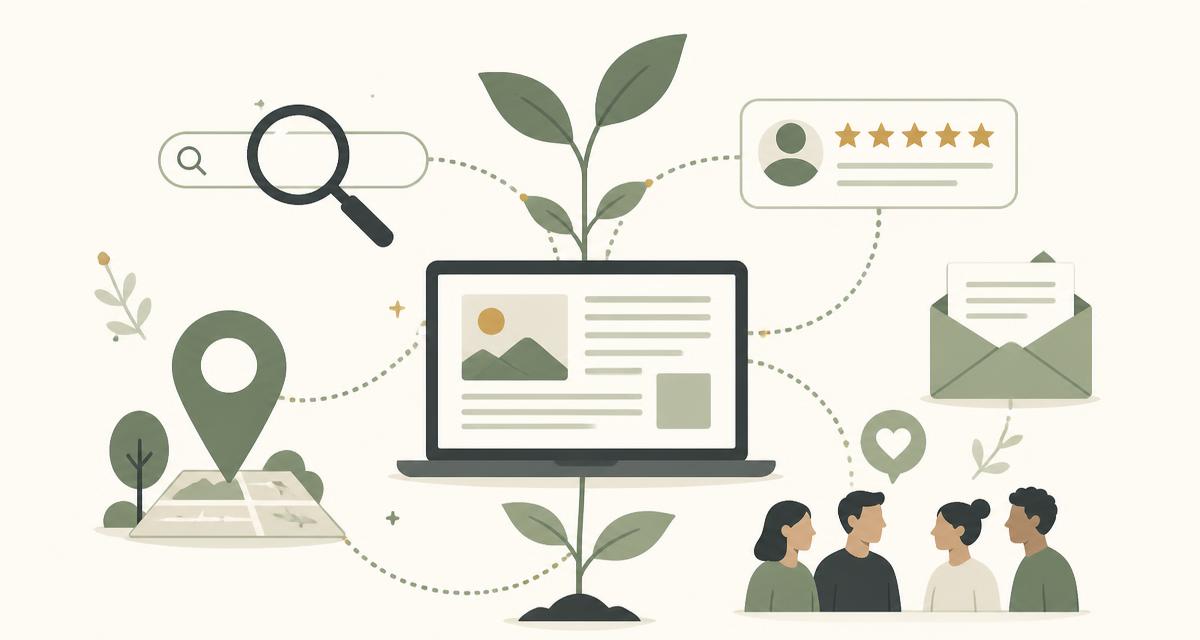
Organic marketing consulting is strategic help for businesses that want to attract customers through unpaid, owned and earned channels rather than relying only on advertising spend.
It focuses on practical systems: a clear message, useful website content, search visibility, social media, email, reviews, referrals and local relationships. The goal is to build recognition and trust over time so the business becomes easier to find, easier to understand and easier to choose.
Unlike paid advertising, organic marketing does not charge per impression or click. But it is not free. It requires time, planning, consistency and usually some help with execution. An organic marketing consultant helps a small business decide where to invest that effort and how to make the pieces work together.
What Is Organic Marketing Consulting?
Organic marketing consulting helps a small business plan and improve the unpaid parts of its marketing. Common focus areas include:
- Website content and messaging
- Search engine optimization
- Organic social media strategy
- Email marketing
- Customer review and referral systems
- Local partnerships and community visibility
- Content planning and repurposing
- Customer journey and conversion improvements
“Organic” means the visibility is earned through usefulness, relevance and consistency rather than purchased placement. A consultant brings structure to that work so the business does not chase every trend or spread itself across too many channels.
This approach fits naturally with the Parthenon of Marketing, which treats organic outreach as one pillar of a connected lead-generation system.
Organic Marketing Consulting vs. Paid Advertising
Organic and paid marketing are not opposites. They behave differently and serve different roles.
Organic marketing consulting focuses on:
- Building visibility and trust over time
- Improving owned assets such as the website and email list
- Creating content that keeps working after it is published
- Reducing dependence on any single paid channel
- Earning attention through relevance and helpfulness
Paid advertising focuses on:
- Buying targeted exposure quickly
- Reaching specific audiences on demand
- Testing messages and offers fast
- Scaling what is already converting
- Stopping when the budget runs out
The most durable approach usually combines both. Organic marketing builds the foundation. Paid advertising accelerates a message once the foundation is already working.
If you are running ads and the results are disappointing, it often helps to fix the strategy behind your paid advertising before spending more.
Why Small Businesses Use Organic Marketing Consulting
Many small businesses hire an organic marketing consultant because they are already busy and need a practical plan rather than another set of disconnected tasks.
Common reasons include:
- Paid ads are too expensive or unpredictable to rely on alone
- The business wants more qualified leads without paying for each one
- Owners are unsure which channels deserve their limited time
- The website gets traffic but does not convert visitors into inquiries
- Social media feels random and does not lead to sales
- Content creation is inconsistent or unfocused
- Reviews and referrals are underused
A consultant's job is not to add more work. It is to identify the highest-impact organic activities for that specific business and turn them into a manageable plan.
What Does an Organic Marketing Consultant Do?
An organic marketing consultant typically starts by understanding the business, the customer and the current marketing. That may include:
- Reviewing the website, messaging and customer journey
- Auditing current organic channels such as search, social and email
- Interviewing the owner or team about customer questions and objections
- Identifying quick wins and longer-term priorities
- Creating a content or channel plan that fits the business's capacity
- Recommending tools, templates or workflows to stay consistent
- Coaching the owner or team so execution improves
The output is usually a written assessment and roadmap, not a vague list of ideas. The business should know what to do, why it matters and how to measure progress.
If you are comparing types of marketing support, this guide on how to choose a marketing consultant for your small business explains the difference between consultants, agencies, coaches and freelancers.
Start With the Customer
Good organic marketing does not begin with “What should we post?” It begins with questions such as:
- Who are we trying to reach?
- What problems are they trying to solve?
- What questions do they ask before buying?
- What information would help them trust us?
- Where do they look for answers?
- What concerns stop them from taking action?
- What kind of content would be useful to them?
The best organic content is not created only to promote the business. It helps the customer understand a problem, make a decision or take a useful next step.
That shift in starting point is how you create content your customers actually want.
Use Your Website as the Foundation
The website should be the central place where important information lives. Useful website content may include:
- Clear service pages
- Frequently asked questions
- Educational articles
- Customer reviews and case examples
- Founder or team information
- Service-area information
- Contact options
- Downloadable resources
Social platforms may change their formats, reach and rules, but the website remains a business-owned asset.
A social media post can attract attention, while the website provides the deeper explanation, trust signals and next step.
Create Helpful Content
Content can include:
- Answers to customer questions
- How-to guidance
- Common mistakes
- Service comparisons
- Preparation tips
- Industry explanations
- Behind-the-scenes processes
- Customer stories
- Local information
- Seasonal advice
- Short videos
- Checklists
- Downloadable guides
Quality and usefulness matter more than producing large amounts of generic content. The most reliable source of ideas is what already happens in the business: actual customer questions, sales conversations, reviews and objections. Seasonal moments also give you natural topics — here is how that looks in practice with seasonal organic marketing during the summer.
Organic Social Media
Organic social media can help a business:
- Show personality
- Educate customers
- Stay visible
- Share reviews
- Highlight projects
- Promote events
- Answer questions
- Build relationships
- Drive visitors to the website
Posting alone is not enough. The business should also respond to comments, answer messages and participate in relevant conversations. That effort compounds: engagement builds brand awareness and improves paid ad performance when you eventually advertise.
If social media is one of your main channels, it is worth taking the time to build a focused social media marketing strategy.
Local and Community Marketing
Organic marketing also happens offline. Examples include:
- Chamber of commerce involvement
- Local networking
- Community events
- Sponsorships
- Nonprofit partnerships
- Workshops
- School or neighborhood events
- Cross-promotions with complementary businesses
- Referral relationships
- Local media opportunities
These activities may create direct introductions, referrals, photos and content, website links, community credibility, repeat visibility and long-term partnerships.
Relevant mentions and links from legitimate local organizations may help people discover the business and can support broader online credibility.
Reviews and Referrals Are Organic Marketing
Reviews and referrals carry weight because they come from customer experience rather than direct advertising.
A business can support this by:
- Providing strong service
- Following up
- Asking for honest reviews
- Requesting referrals respectfully
- Responding to feedback
- Staying connected with previous customers
- Making it easy to recommend the business
If this is a gap for you, start by learning how to build a genuine Google review process.
Email Is Also an Organic Channel
Email helps a business stay connected with people who have already shown interest. Useful email content may include:
- Helpful tips
- Service reminders
- Seasonal information
- New resources
- Event invitations
- Business updates
- Customer education
- Relevant offers
Send useful, permission-based communication rather than purchasing lists or sending repeated unwanted messages.
A Simple Organic Marketing Plan
1. Define one goal
- Increase local visibility
- Generate more qualified inquiries
- Promote one service
- Build customer trust
- Increase repeat business
2. Choose the audience
Describe the specific customer the business wants to reach, including their situation, location and buying concerns.
3. Select two or three channels
- Website and SEO
- Social media
- Local partnerships
- Reviews
- Community events
4. Choose recurring content topics
- Customer questions
- Common mistakes
- Service education
- Reviews and proof
- Community involvement
5. Create a realistic schedule
Aim for a manageable level of consistency rather than an unsustainable posting volume you abandon after a month. A simple social media content calendar makes that consistency far easier to hold.
6. Engage and follow up
Respond to questions, messages, reviews and inquiries. Engagement is part of the work, not an optional extra.
7. Measure results
Track meaningful outcomes such as:
- Qualified inquiries
- Website visits
- Calls
- Email signups
- Review growth
- Referrals
- Bookings
- Sales
- Repeat business
How Long Does Organic Marketing Take?
There is no universal timeline. Results depend on:
- The business’s starting visibility
- Competition
- Content quality
- Consistency
- Customer demand
- Local reputation
- Website quality
- Follow-up process
- The channels selected
Some activities may create immediate conversations, such as local outreach or an event. Search visibility, reputation and audience growth usually take longer.
The goal is to build a stronger marketing asset over time rather than expect one post or article to transform the business.
Common Organic Marketing Mistakes
- Trying every channel at once
- Posting without understanding the audience
- Creating only promotional content
- Ignoring the website
- Failing to respond to engagement
- Using generic AI content without experience or insight
- Stopping after a few weeks
- Focusing only on follower count
- Failing to ask for reviews or referrals
- Not tracking where leads come from
- Publishing content without a clear next step
- Assuming organic marketing requires no investment
Related Organic Marketing Guides
- Social Media Marketing for Small Businesses — how to build an organic social strategy that supports growth.
- Why Every Small Business Needs a Social Media Content Calendar — how to stay consistent without scrambling for ideas.
- What Customers Actually Want From Your Content — choosing topics based on real customer questions.
- How Social Media Engagement Builds Brand Awareness — why engagement improves both organic reach and paid results.
- Paid Advertising for Small Businesses — what to fix before increasing ad spend.
Final Thoughts
Organic marketing consulting helps a small business become visible, useful and trusted over time without depending entirely on paid advertising.
It is not only social media, and it is not completely free. It requires planning, consistency, customer understanding and follow-up.
The strongest organic strategies connect useful content, search visibility, customer engagement, reviews, email, referrals and community relationships.
Start with one clear goal. Choose a few channels you can manage well. Create information that helps customers. Respond when people engage. Measure whether the activity supports real business outcomes.
Want Help With Your Organic Marketing?
If you would like an outside perspective on your organic marketing, there are two ways to start:
- Free first step: Take the Marketing Clarity Assessment — a free self-assessment across audience, messaging, visibility, website and follow-up.
- Paid next step: The Small Business Marketing & Lead Generation Audit — a one-time $249 review of where your marketing is losing leads, with a written plan for your highest-priority fixes.
Both options are designed to give you clarity before you spend more on marketing. You can also see how I work with small businesses or send a direct message.
Frequently Asked Questions
What is organic marketing consulting?
Organic marketing consulting is strategic guidance that helps a business attract, educate and engage customers through unpaid or owned channels such as content, SEO, social media, email, reviews, referrals and community involvement rather than paid advertising.
What does an organic marketing consultant do?
An organic marketing consultant evaluates a business’s current visibility, messaging, website, content and customer journey, then recommends a practical plan to improve reach, trust and lead flow through owned and earned channels.
How is organic marketing different from paid advertising?
Organic marketing builds visibility over time through owned and earned channels and does not charge per click. Paid advertising buys immediate exposure through platforms such as Google or Meta and stops when the budget ends. The two work best together once the organic foundation is clear.
When should a small business hire an organic marketing consultant?
A small business should consider organic marketing consulting when it has limited ad budget, wants to reduce dependence on paid channels, needs a practical content or SEO plan, or is unsure which organic channels deserve its time.
How long does organic marketing consulting take to show results?
Some local outreach or content improvements can create quick conversations, while SEO, reputation growth and audience building usually require consistent effort over months. A consultant helps set realistic expectations based on the business’s starting point and competition.
Written by Leonardo “Leo” Sanchez
Leonardo “Leo” Sanchez is a New Jersey-based marketing strategy and customer experience professional and the founder of Simplify Branding & Marketing. He has more than 10 years of experience across marketing strategy, digital content, omnichannel engagement, commercial operations and business problem-solving. He is currently completing his MBA at Penn State. LinkedIn · Full profile
Get one practical small-business marketing tip each week.
No fluff. Just simple ideas to help improve your website, marketing, and lead generation.