
What Customers Actually Want From Your Small-Business Content
Customers are not looking for perfect posts. They are looking for content that answers their questions, explains their options and makes the next step easy. Here is how to build content around real customer decisions.
Written by Leonardo “Leo” Sanchez
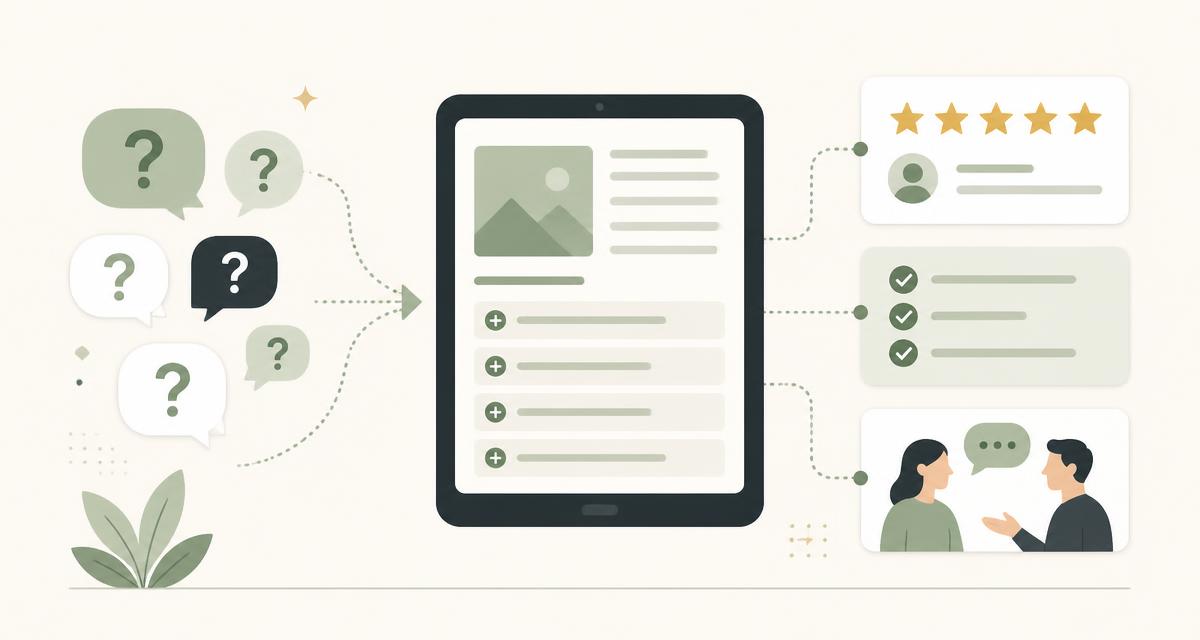
Small businesses often spend a lot of time deciding how their content should look.
Which colors should we use? Should this be a video or an image? What template should we choose? How often should we post?
Those decisions matter, but they are not the most important part of the content.
A polished design may attract attention, but the message determines whether someone keeps reading, understands the business and takes the next step.
Customers are usually not looking for perfect posts. They are looking for useful information that helps them understand a problem, compare their options, trust the business or make a decision.
The best content begins with the customer, not the design.
What Does Customer-Focused Content Mean?
Customer-focused content is created around the questions, needs, concerns and decisions of the people the business wants to serve. It should help customers:
- Understand a problem
- Learn what their options are
- Avoid a mistake
- Prepare for a service
- Compare solutions
- Understand pricing or value
- Know what to expect
- Feel more confident
- Decide whether the business is a good fit
- Take a useful next step
This kind of content can still support sales.
Helpful content does not avoid the sale. It makes the sale easier by reducing confusion and building trust before the customer contacts the business.
In practice, this work sits inside the organic outreach and audience engagement pillars of the Parthenon of Marketing.
Start With Real Customer Questions
Strong content ideas often already exist inside the business. Useful sources include:
- Questions customers ask before buying
- Questions asked during estimates or consultations
- Objections that delay a decision
- Misunderstandings about the service
- Common mistakes customers make
- Complaints or concerns
- Reviews
- Search queries
- Direct messages
- Email conversations
- Follow-up questions
- Reasons customers choose one service over another
If several customers ask the same question, that question should probably become a piece of content.
A cleaning company might answer:
- What is included in a deep cleaning?
- How should I prepare before the team arrives?
- How often should a home be professionally cleaned?
A landscaper might answer:
- When should seasonal cleanup begin?
- What is the difference between lawn maintenance and landscape design?
- How much ongoing maintenance will a new landscape require?
A consultant might answer:
- Why are my marketing efforts not producing leads?
- Do I need an agency, consultant or freelancer?
- Should I spend more on paid advertising?
Content Should Help Customers Make Decisions
Customers are often trying to decide:
- Whether they need the service
- Whether they can trust the provider
- Whether the cost is reasonable
- Whether the process will be difficult
- Whether the business understands their situation
- Whether they should act now or wait
- Whether another option would be better
Strong content reduces uncertainty around those decisions. Useful topics include:
- Service comparisons
- What to expect
- Pricing factors
- Preparation guides
- Frequently asked questions
- Common mistakes
- Process explanations
- When a service is or is not appropriate
- How long something may take
- What happens after the customer contacts the business
When an answer genuinely depends on the specific customer or situation, say so. Honesty about variables is more credible than a false single answer.
Useful Content Builds Trust
Trust-building content demonstrates understanding and transparency. Examples include:
- Explaining the process clearly
- Showing how the work is performed
- Introducing the people behind the business
- Sharing genuine customer feedback
- Explaining how decisions are made
- Describing what is included and excluded
- Addressing common concerns directly
- Admitting when a service may not be the right fit
- Sharing lessons from experience
- Explaining what quality looks like
Customers often trust a business more when it explains the work clearly instead of making broad claims such as “we are the best.”
That clarity is also the most practical way to communicate what makes your business different.
Design Still Matters, but It Supports the Message
Visuals attract attention, but the message must deliver value. Good design should:
- Make the information easy to read
- Support brand recognition
- Organize the message clearly
- Highlight the main point
- Work well on mobile
- Avoid unnecessary clutter
- Make the next step obvious
A simple, useful post is often more valuable than a highly polished post that says very little. This is not an argument against professional design. Design and substance work together: design earns the attention, and the message earns the trust.
Five Types of Content Customers Find Useful
1. Educational content
Tips, how-to guidance, definitions, mistakes to avoid, industry explanations and preparation advice.
Purpose: help customers understand the problem or service.
2. Decision-support content
Service comparisons, pricing factors, questions to ask before hiring, signs that a service may be needed, what to expect, and pros and limitations.
Purpose: help customers evaluate their choices.
3. Trust-building content
Reviews, testimonials, founder or team stories, project examples, process explanations, credentials and community involvement.
Purpose: reduce uncertainty and show credibility.
4. Engagement content
Questions, polls, requests for feedback, local conversations, customer stories and common opinion questions.
Purpose: learn from the audience and create conversation.
5. Promotional content
Service explanations, seasonal offers, availability, events, booking reminders and clear calls to action.
Purpose: help interested customers take the next step.
Promotional content is necessary. It simply should not be the only type of content the business publishes.
Use the Customer’s Language
Businesses often use internal or industry language that customers never use. Review:
- Customer emails
- Sales conversations
- Search terms
- Reviews
- Questions
- Direct messages
- Consultation notes
Then use the words customers naturally use when they describe the problem.
Clear language helps customers recognize that the content is relevant to them. Clever or technical wording may make the business sound knowledgeable while making the customer feel confused.
Every Piece of Content Should Have a Purpose
Before creating content, identify the goal. Possible goals include:
- Build awareness
- Answer a question
- Reduce an objection
- Explain a service
- Build trust
- Encourage a website visit
- Generate an inquiry
- Promote an event
- Collect feedback
- Support a customer after purchase
Then ask:
- Who is this for?
- What question does it answer?
- What should the customer understand afterward?
- What should they do next?
- Where does this fit in the customer journey?
Match the Content to the Customer Journey
Awareness
The customer is learning about the problem or discovering the business. Useful content: educational tips, local information, common mistakes, short explanations and awareness posts.
Consideration
The customer is comparing providers or deciding what to do. Useful content: service comparisons, FAQs, reviews, process explanations, pricing factors and case examples.
Decision
The customer is close to taking action. Useful content: clear service pages, strong calls to action, booking information, availability, contact details and what happens next.
Follow-up and loyalty
The customer has already purchased. Useful content: care instructions, service reminders, follow-up resources, referral requests, review requests and related services.
Laid out that way, it becomes much easier to connect content to a simple marketing funnel.
How to Find Better Content Ideas
Step 1: Write down ten customer questions
Use questions from real conversations, not brainstormed topics.
Step 2: Group similar questions
Create categories such as pricing, process, trust, timing and preparation.
Step 3: Choose the most important questions
Focus on questions that affect buying decisions or create repeated confusion.
Step 4: Create one clear answer
Use a blog post, short video, email, social post or website FAQ.
Step 5: Reuse the idea across channels
A blog article may become:
- A short social post
- A video
- An email
- A checklist
- A website FAQ
- A sales follow-up resource
Reusing one strong idea well is more useful than creating unrelated content constantly. That is also the difference between a real content plan and a broader organic marketing approach built on random posting. A simple social media content calendar is usually the easiest way to keep that reuse organized.
Common Content Mistakes
- Creating content only because the calendar says to post
- Focusing on appearance before the message
- Speaking only about the business
- Using too much jargon
- Copying competitors
- Creating generic AI content without experience or insight
- Avoiding important customer concerns
- Making unsupported claims
- Publishing without a clear next step
- Creating only promotional content
- Ignoring comments and customer questions
- Measuring only likes and views
How Should a Small Business Measure Content?
The right metrics depend on the goal. Useful measures may include:
- Website visits
- Search impressions
- Time spent reading
- Downloads
- Email signups
- Direct messages
- Comments and questions
- Content saves and shares
- Qualified inquiries
- Bookings
- Leads that mention a specific article or post
- Sales conversations that become easier because the customer is already informed
A helpful article may influence a customer even when it is not the final page they visit before making contact. Judge content on the quality of the conversations it creates, not only on the last click.
Final Thoughts
Customers do not need every piece of content to be perfect.
They need it to be relevant, clear and useful.
Start with real customer questions. Explain the problem in plain language. Help people understand their options. Show what it is like to work with the business. Make the next step easy.
Design helps attract attention, but usefulness builds trust.
The strongest small-business content does more than fill a social media calendar. It helps customers make better decisions and gives the business a clearer way to communicate its value.
Next Step
Not sure what your customers need to hear? Use the free Marketing Clarity Assessment to review your audience, messaging, content, visibility and customer journey.
Take the Free Marketing Clarity Assessment
Read the Social Media Strategy Guide · Explore the Marketing Funnel Guide · Explore Services · Browse all free resources · Contact Leonardo
Frequently Asked Questions
What type of content do customers want from small businesses?
Customers usually want useful content that answers questions, explains services, reduces uncertainty and helps them make decisions.
Should small-business content always promote a service?
No. Promotional content is important, but businesses should also publish educational, trust-building and engagement content.
How can a small business find content ideas?
Start with questions customers ask, objections, reviews, search terms, direct messages and repeated misunderstandings about the service.
Does design matter in content marketing?
Yes. Design helps attract attention and organize information, but it should support a useful message rather than replace one.
How does content help generate leads?
Content can build awareness, answer questions, strengthen trust and guide potential customers toward a website, contact form, booking page or sales conversation.
Written by Leonardo “Leo” Sanchez
Leonardo “Leo” Sanchez is a New Jersey-based marketing strategy and customer experience professional and the founder of Simplify Branding & Marketing. He has more than 10 years of experience across marketing strategy, digital content, omnichannel engagement, commercial operations and business problem-solving. He is currently completing his MBA at Penn State. LinkedIn · Full profile
Get one practical small-business marketing tip each week.
No fluff. Just simple ideas to help improve your website, marketing, and lead generation.